A Day in the Life of a birth suite ANUM
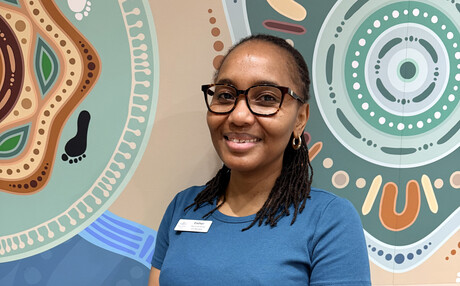
Midwife Esther Chikwanha has been supporting women and families through pregnancy and birth since 2008. Originally trained in the UK, Esther moved to Australia in late 2019 and now works at Werribee Mercy Hospital, where she is an Associate Nurse Unit Manager (ANUM) in the birth suite. Here’s a day in her life.
06:00 I wake up at 6 am. I’m not a breakfast person, but I’m definitely a shower person. My morning shower is what wakes me up and gets me ready for the day ahead. Once I’m dressed, I head straight out the door.
06:50 I’m lucky to live only about 10 minutes from the hospital, so it’s a short drive to work. It gives me a bit of time to get ready for the shift, knowing that anything can happen during the day.
07:00 The shift starts with a team handover from the night staff. We gather together and receive an overview of everything that’s happened overnight, including who is in labour and anything that needs close attention.
07:20 After the group handover, we move into more detailed checks. I am often in charge of the birth suite, so I oversee the drug count and check the medication fridges to make sure everything is accounted for.
07:30 Once the night staff head home, I go back over the handover to make sure I understand what’s happening across the unit before the 8 am bed meeting.
08:00 The bed meeting brings together the whole obstetrics and gynaecology team. Every patient is discussed, from those in the birth suite to antenatal and postnatal cases. It can take up to 45 minutes depending on how busy we are.
08:45 After the meeting, I head back to the birth suite and update the team on any changes. From there, the day becomes a balance of clinical care, coordination and keeping track of everything happening across the unit.
09:00 I update diet codes in the system to make sure patients receive the correct meals, which is important given our diverse community. I also organise extra food for any new admissions. Throughout the morning, I support junior midwives, review CTG monitoring, answer questions and keep an eye on how each room is progressing.
10:00 If I get a moment, I grab something quick to eat, usually a banana and a cup of tea. Breaks are not always guaranteed. At any point, things can change quickly. For example, we might respond to a postpartum haemorrhage. We take in medications, assess blood loss and call a Code Pink, which alerts the wider obstetric team. If needed, the patient may go to theatre, so the whole team has to be ready to act rapidly and with precision.
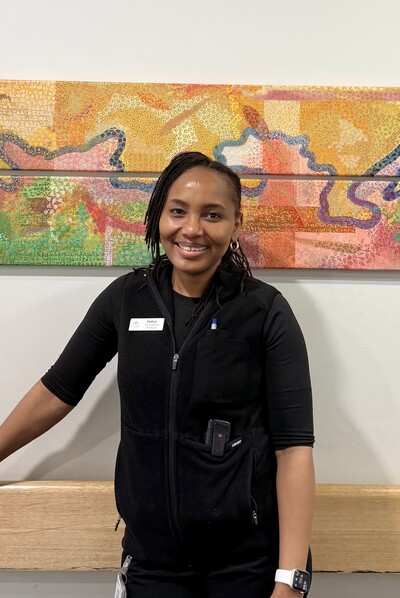
12:00 Around midday, I start planning for the afternoon shift. I review staffing levels, consider skill mix and allocate midwives accordingly. If we have students on placement, I make sure they are supported by more experienced staff.
13:00 The afternoon team arrives and we complete another handover. They go to their rooms for bedside handover while I provide an overview of key updates.
13:30 We complete another drug count as part of the handover process. Once that is done and responsibilities are handed over, I can take my lunch break.
14:00 After lunch, the morning team attends in-house education sessions. These cover a range of topics and are an important part of ongoing learning.
15:30 With the morning shift finished I head home once everything has been handed over. On the drive home, I often listen to Christian music, which helps me reflect and decompress after the day.
16:00 Before I go inside, I always take about 10 minutes in the car to reset. It helps me switch off from work before going into the house. Afternoons are often focused on family routines, including after-school activities like swimming or gymnastics.
**************************************************
No two days in midwifery are ever the same. While there is structure in the routine, the unpredictability is what defines the role. It is a privilege to support families through such important moments in their lives.
**************************************************
Mandatory VR violence training for nursing students
UTS, in partnership with a Sydney-based immersive learning company, plans to make aggression and...
Unlocking the potential of our nursing workforce
Australian College of Nursing Acting CEO Dr Zachary Byfield outlines how nurses and current...
Outdated, overused and ineffective — time to end mandatory double-checking?
Double-checking medications requires two nurses to verify a dose before administration. Widely...