Stress Leads to Chronic Illness and Premature Ageing
Wednesday, 19 August, 2015
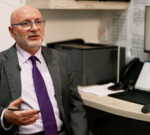
Professor Timothy Olds from the University of South Australia will present his findings next week that stress leads to chronic illnesses such as diabetes, stroke, asthma, heart disease, depression and osteoporosis as well as premature aging.
His session Stress, lifestyle and diabetes: using the allostatic load model to translate research into practice provides a useful narrative for understanding how frequent activation of the human stress response, can in fact damage the body in the long run.
Professor Olds explains the allostatic model is a nice, simple way for understanding the origins, nature and possible treatments of diabetes, among other non-communicable diseases.
"We are all, to different extents, subject to life stresses. Whether that’s relationship or money worries through to exposure to viruses and injuries. These stresses lead to a state of inflammation, the body’s natural response to stress, resulting in increased blood pressure, blood sugar, blood fats and stress hormones released into the bloodstream to provide emergency fuel.
“Inflammation is good in the short term; it’s the fight or flight response that helps us deal with immediate challenges, but when we are subject to repeated stress we get chronic low-grade inflammation, such as chronic high blood pressure, high blood sugars (which leads to insulin resistance) and the shortening of telomeres. Telomeres are the marker for biological ageing – the shorter they are, the ‘older’ we are. All-in-all, these are changes which are frankly bad for us.
“Eventually, all of this manifests permanently as high blood fats, blood pressure, insulin resistance and airway inflammation – this is the allostatic load. In laymen’s terms, it’s the ‘wear and tear on the body’ that grows over time when an individual is repeatedly exposed to stresses.
During Professor Old’s plenary, he will highlight prevention methods that are likely to be more effective than treating the symptoms and the disease, as well as discuss how the allostatic load model is helping the health industry explain a wide range of apparently disparate observations, such as the clustering of non-communicable diseases.
The ADS/ADEA Annual Scientific Meeting will be held at the Adelaide Convention Centre on 26-28 August. For more information, visit: http://ads-adea.org.au/
Better questions, clearer choices: putting the person at the centre of continence support
Better continence support begins before a product is chosen. It begins with better questions,...
A Day in the Life of a rural generalist anaesthetist and men's mental health advocate
Dr Hayden Cain is a rural generalist anaesthetist who has a particular interest in men's...
Rapid-response discharge model targets bed block
As health ministers call for urgent federal action on bed block, this NSW home and community care...