Elective Surgery Waiting Time Figures Released
Monday, 20 October, 2014
Australian public hospitals admitted almost 700,000 patients from elective surgery waiting lists in 2013-14 according to a new report Australian hospital statistics 2013-14: elective surgery waiting times.
Elective surgery waiting times in Australian public hospitals have remained relatively stable between 2012-13 and 2013-14, according to the report released by the Australian Institute of Health and Welfare (AIHW).
The report, Australian hospital statistics 2013-14: elective surgery waiting times, shows that national admissions for elective surgery increased by 4.2% between 2012-13 and 2013-14.
In 2013-14, almost one in four patients were admitted for general surgery (surgery on organs of the abdomen) and about one in seven were admitted for orthopaedic surgery (surgery on bones, joints, ligaments and tendons, including knee and hip replacements).
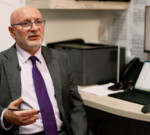
'In 2013-14, 50% of all patients were admitted for elective surgery within 36 days of being placed on the waiting list-this has remained unchanged since 2010-11,' said AIHW spokesperson David Braddock.
The types of surgery that had the longest median waiting times in 2013-14 were ear, nose and throat, ophthalmology and orthopaedic surgery (70, 69 and 66 days. respectively). In contrast, the types of surgery that had the shortest median waiting time were cardio-thoracic and vascular surgery (18 and 19 days, respectively).
The procedure that had the shortest waiting time was coronary artery bypass (18 days), while septoplasty (correction of a deviated or dislocated septum in the nose) and total knee replacement had the longest waiting times (221 days and 194 days, respectively).
Between 2009-10 and 2012-13, the number of days in which 90% of patients were admitted for elective surgery rose from 245 days to 265 days. From 2012-13 to 2013-14, there was a slight drop in this measure - to 262 days.
Between 2009-10 and 2013-14, the proportion of patients who waited over one year before admission for surgery had trended down from 3.4% to 2.4%.
Better questions, clearer choices: putting the person at the centre of continence support
Better continence support begins before a product is chosen. It begins with better questions,...
A Day in the Life of a rural generalist anaesthetist and men's mental health advocate
Dr Hayden Cain is a rural generalist anaesthetist who has a particular interest in men's...
Rapid-response discharge model targets bed block
As health ministers call for urgent federal action on bed block, this NSW home and community care...