Tiny gold particles power golden staph colour test
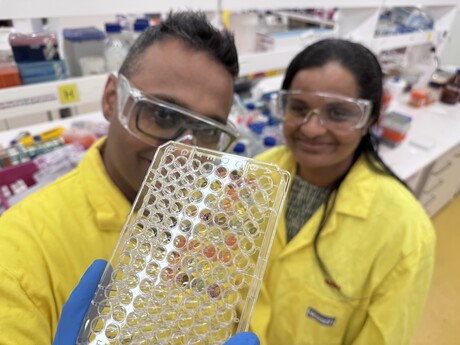
A rapid colour-changing test is designed to distinguish between different strains of golden staph, including those likely to be virulent and antibiotic-resistant.
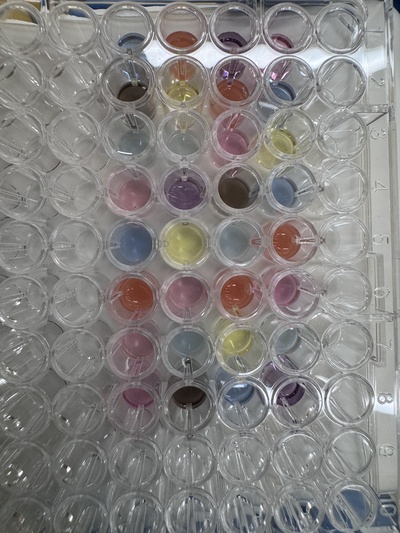
With more than a million fatalities each year, golden staph is a major human pathogen and leading cause of infection-related deaths globally. Using tiny gold particles that behave like artificial enzymes (nanozymes) combined with short DNA molecular binders to create colour ‘fingerprints’ unique to each strain, a colour test for golden staph has been developed. These fingerprints, researchers say, can help separate high-risk strains from others and inform next steps of care.
The fingerprint test can also indicate whether a strain carries markers associated with increased virulence, and whether it is likely to have antibiotic resistance. The project was led by RMIT University with research collaborators Western Sydney University, the University of Massachusetts Amherst in the US and the National Institute of Pharmaceutical Education and Research in India.
About the test, Professor Rajesh Ramanathan from the Sir Ian Potter NanoBioSensing Facility and NanoBiotechnology Research Laboratory within RMIT’s School of Science called it a rapid, low-cost screening tool that could complement culture- and PCR-based tests and could be modified to spot different dangerous strains of other pathogens.
“Speed matters when you’re dealing with serious bacterial infections, and today’s gold-standard tests take time, specialist infrastructure or both,” Ramanathan said. “The rapid test gives clinicians an early, evidence-informed ‘heads-up’ if an infection may be more aggressive or harder to treat.”
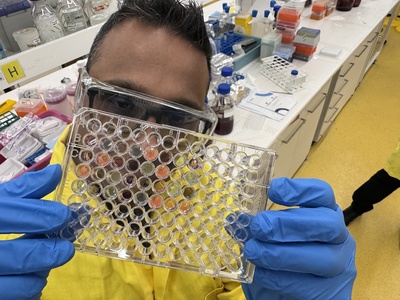
The system was deliberately built to capture subtle biological differences without needing prior knowledge of the bacteria’s surface, team member Dr Pabudi Weerathunge from RMIT said. “Instead of hunting for one perfect target, we use a small panel of molecular binders that attach to different parts of the bacterial surface,” Weerathunge said. “This is a practical pathway toward point-of-care-style screening across clinical settings.”
Further, the sensor was tested in simulated wound fluid spiked with different golden staph strains, in order to assess how it might perform in more realistic environments. In simulated wound fluid, the sensor produced comparable strain fingerprints and showed stronger and faster responses in some cases, RMIT said.
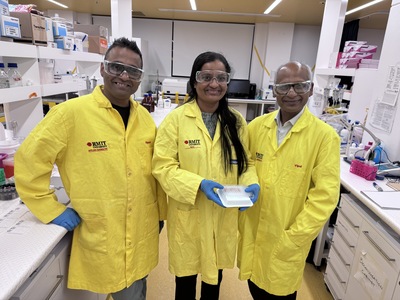
Tarun Sharma, Wilson Wong, Mugdha Joglekar, Anandwardhan Hardikar, Mahdieh Yazdani and Vincent Rotello were the other researchers on the study.
The cost of not cleaning: how to reduce infections and save money
A randomised control trial investigated the effect of improving cleaning of shared medical...
Fear of cancer recurrence clinical pathway
The evidence-based clinical pathway for identifying and managing fear of cancer recurrence...
Eureka Prize-winning discovery affects one in four women worldwide
This year's Australian Infectious Diseases Research Centre Eureka Prize for Infectious...