Neuroscientists propose clinical definition for brain fog in menopause

To pave the way for more clinical studies, Australian and international researchers have proposed a new clinical definition for the presentation of brain fog in menopause and how it is distinct from other conditions like dementia.
Encompassing a variety of symptoms, including forgetfulness and difficulties with attention or concentration, clinicians don’t know exactly why brain fog presents in women experiencing menopause. Though, hormonal changes associated with menopause, as well as other menopause symptoms, are likely to be key contributors, and there are no specific treatments for it.
Therefore, in a recent review published in The Lancet Obstetrics, Gynaecology, & Women’s Health, neuroscientists from Monash University, the University of Melbourne and University College London have called for clinical studies to explore causes and effective treatments.
As part of the review, the researchers propose a new clinical definition that acknowledges the presentation of brain fog in menopause and how it is distinct from other conditions like dementia. “Self-reported” cognitive impairment — that can be debilitating and impact quality of life but notes the “absence of a notable objective cognitive decline” — is included in the definition.
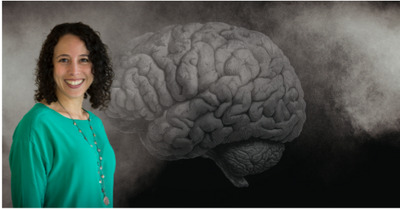
“There’s a lot of pressure to use objective measures of cognitive decline, like a memory test, for example, in a clinical trial, but the key symptom of brain fog is a subjective experience,” said Associate Professor Caroline Gurvich, a clinical neuropsychologist and lead researcher from Monash’s HER Centre.
“So having a definition that acknowledges the key cognitive symptom is critical,” Gurvich added. “This is not without precedent — we already use subjective or self-report measures for depression, anxiety and other mental health conditions with great success.”
Gurvich said the proposed definition would also validate women’s individual experiences while empowering them through the reassurance that any objective decline in their cognitive ability is subtle. “This is a decrease in cognitive or learning efficiency, not functionality or capacity,” Gurvich added.
“For many women, the perception they are losing capacity is what drives them to stop work or lose the confidence to live fulfilling lives during and after menopause,” Gurvich said. “I hear all the time from women who have gone through menopause that validation would have made a significant difference to their resilience and the approach they took to living with menopause.”
According to Professor Martha Hickey from the University of Melbourne and Royal Women’s Hospital, the study fills much-needed gaps in understanding of brain fog. “Our analysis of the best available research shows that many women experience some degree of cognitive symptoms, such as brain fog, during the menopause transition,” Hickey said.
“But there’s a lack of long-term data, which means that there’s a gap in our knowledge about how the brain fog symptom develops and changes from peri-menopause to after menopause ends.”
Better questions, clearer choices: putting the person at the centre of continence support
Better continence support begins before a product is chosen. It begins with better questions,...
A Day in the Life of a rural generalist anaesthetist and men's mental health advocate
Dr Hayden Cain is a rural generalist anaesthetist who has a particular interest in men's...
Rapid-response discharge model targets bed block
As health ministers call for urgent federal action on bed block, this NSW home and community care...