Adults Suffering From Asbestos Related Diseases Invited to Take Part in Study
Friday, 07 June, 2013
Adults suffering from asbestos-related diseases are needed to participate in a University of Queensland study on the role nutrition plays in the quality of life for patients diagnosed with asbestosis or mesothelioma.
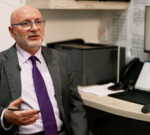
The team of investigators including Associate Professor Judith Bauer, Professor Sandra Capra and Dr Maeli Campbell-McNulty from UQ’s School of Human Movement Studies are hoping to recruit 150 patients in the trial.
Associate Professor Bauer said the study would be the first assessment of nutritional status, body composition, dietary intake and impact on quality of life for patients with asbestos-related diseases and the findings would provide a guide for dietitians caring for such patients.
“Patients with an asbestos-related disease may experience symptoms such as lack of appetite and fatigue that may impact their dietary intake, change body composition (particularly muscle mass) and decrease quality of life,” Associate Professor Bauer said.
“Despite studies showing lung cancer patients have higher rates of malnutrition, which may be exacerbated in patients with mesothelioma due to the chronic nature of asbestos related disease, there is little research into the nutritional requirements for these patients. “In other conditions similar to mesothelioma where cancer wasting (when the patient becomes malnourished due to the disease) is a feature of the disease, poor nutritional status, loss of muscle mass and inadequate dietary intake have a negative impact on the quality of life of the patient.”
The trial began in April at UQ's School of Human Movement Studies at St Lucia. All studies are conducted at no cost to participants. For more information and to participate, email Associate Professor Judy Bauer at j.bauer1@uq.edu.au or contact Dr Maeli Campbell-McNulty at maeli.campbellmcnulty@uqconnect.edu.au or 0405 795 037
Better questions, clearer choices: putting the person at the centre of continence support
Better continence support begins before a product is chosen. It begins with better questions,...
A Day in the Life of a rural generalist anaesthetist and men's mental health advocate
Dr Hayden Cain is a rural generalist anaesthetist who has a particular interest in men's...
Rapid-response discharge model targets bed block
As health ministers call for urgent federal action on bed block, this NSW home and community care...