Balcony and nearby construction activities linked to RPA deaths
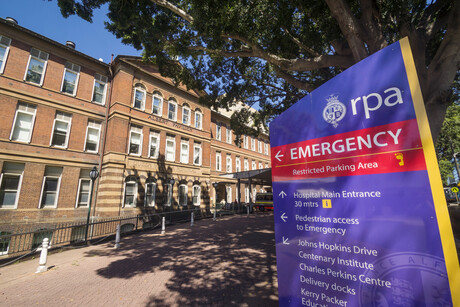
The investigation report into the fungal outbreak that occurred in the transplant ward at Royal Prince Alfred Hospital (RPA) between October and December 2025 has been released by Sydney Local Health District (SLHD).
“While the investigation team was unable to determine a single conclusive cause of the outbreak,” NSW Health said in a statement on 27 March, “the balance of evidence indicates the balcony and nearby construction activities posed the greatest exposure risk, rather than the water ingress in September 2025.”
This assessment reflects the ward location of the identified cases relative to the balcony and the proximity of construction works, NSW Health said.
An expert advisory panel chaired by Dr Kerry Chant, NSW Health’s Chief Health Officer, also considered the report. Patients impacted or their next of kin have received a copy and, NSW Health said, have also been given the opportunity to meet with executives and clinicians of RPA to discuss its findings.
“SLHD extends its deepest condolences to the families of the patients who died and sincerely apologises to all patients and families affected by the outbreak,” NSW Health said in its statement. “Upon confirming the cluster, SLHD acted as quickly as possible to address the risk posed to patients.
“The cluster investigation was promptly undertaken by a team of senior clinicians who specialise in transplant medicine and infectious diseases.”
Key recommendations made by the report were that the RPA Redevelopment Infection Control Management Plan be updated to include a clear governance pathway for monitoring and reporting, including: air sampling reports to be provided to the Facility Infection Prevention and Control Committee; decisions relating to the frequency of surveillance programs; and required actions when concerning mould is detected or mould counts increase, including escalation processes, mitigation strategies, testing timeframes, and retesting to confirm effectiveness.
Also recommended in the report was ensuring notices of works — documents required before any work can commence at the hospital — include all known impacted operational and clinical areas (including air intakes, windows and balconies), along with proposed risks and mitigation measures; a district‑wide process to better prioritise maintenance and requests for repair within high‑risk clinical areas such as transplant wards be established; and that a formal governance process involving infectious diseases specialists, infection control experts and senior clinicians be established — to monitor and respond to any increase in invasive fungal infections for the duration of construction works.
“SLHD is fully committed to implementing every recommendation from the report and strengthening our procedures to prevent future patients and families being impacted,” NSW Health said. “The report’s findings and recommendations are also being reviewed by NSW Health so the learnings can be applied throughout the public health system.
“SLHD has already established a fungal surveillance committee and a clinical reference group to strengthen oversight and improve responsiveness.
“The fungal surveillance committee, comprising ... infectious diseases and infection control specialists, hospital executive and engineering staff, is designed to enhance coordination of cleaning and maintenance activities and ensure issues are reviewed and escalated promptly.
“The RPA redevelopment clinical reference group brings together clinicians, engineering teams, Health Infrastructure and redevelopment contractors to review all planned future works and to provide advice on what, if any, additional measures need to be put in place to ensure the safety of our patients.
“SLHD would like to acknowledge the contribution of the expert advisory panel and our clinical staff who assisted with this investigation,” NSW Health concluded.
WA's women's, newborn and children's model remains a "major missed opportunity", doctors say
Following WA's announcement of a new dedicated Women and Babies Health Service, AMA (WA)...
National standards for pain management education now available
The standards are designed to better equip health practitioners to assess, manage and support...
Australia invests further $14.6 million in national allergy research
Further funding until June 2028 for the National Allergy Centre of Excellence (NACE) and the...