Cholesterol medication may slow knee joint damage: study
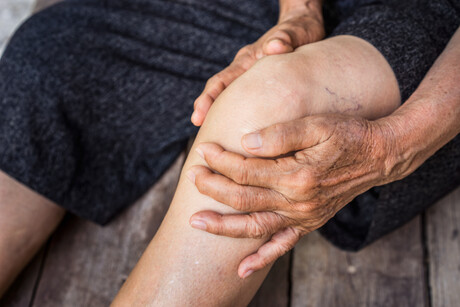
A recent trial by Monash University has found that cholesterol-lowering medication may slow knee joint damage.
The secondary discovery of the randomised placebo-controlled trial found that statins slowed the progression of knee damage and participants with healthier knee joints were less likely to develop bone marrow lesions, often an early indicator of knee abnormalities associated with pain and joint damage.
Lead author and rheumatologist Professor Flavia Cicuttini from the Monash University School of Public Health and Preventive Medicine said, “Based on the findings from the healthier subgroup in our trial, it may be that the widespread use of statins in the management of cardiovascular disease is also having a benefit on knees by protecting them from knee joint damage.”
Professor Cicuttini said statins are commonly used to prevent conditions such as atherosclerosis, a condition caused by a build-up of plaque in the arteries. This can result in heart attacks, strokes and also result in damage to knee joints through reduced blood supply.
Knee osteoarthritis is a common cause of knee pain in those aged over 40. “Often knee pain can be a warning sign of other potential health issues. If you’re experiencing knee pain, then see your GP. Get your blood pressure, weight and cholesterol checked. Having knee pain can be an opportunity to do a health check that will benefit knees, as well as general health since those with osteoarthritis, are at twice the risk of heart disease,” Professor Cicuttini said.
"Bed block is accelerating and is far beyond sustainable," NSW Minister for Health says
Between mid-2025 and mid-2026, all but one jurisdiction has seen an increase in patients waiting...
The Fair Work Ombudsman finds 13 out of 22 aged care providers non-compliant
FWO aged care investigations have seen more than $5.3 million recovered for almost 3600 underpaid...
Commonwealth Home Support Program extended to 30 June 2029
The extension will support providers to continue critical aged care services and give 830,000...