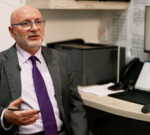
Exercise may Increase Success of Flu Vaccine
Thursday, 25 April, 2013
Exercise at the time of having a flu shot may increase the success of vaccination according to a University of Sydney researcher.
A study by Dr Kate Edwards from the Faculty of Health Science's Exercise and Sport Science unit indicates exercise is the key to successful vaccination.
“Being physically activity has been found to improve immunity in general, but specifically doing some exercise immediately before or after a vaccination can boost vaccine response in particular,” says Dr Edwards.
In a commentary published in this month's Human Vaccines and Immunotherapeutics and co-authored by vaccine guru Professor Robert Booy, Dr Edwards advises that a bout of exercise can bring about profound changes in the immune system, such as increasing circulating cell numbers, with specific increases in certain subsets, and the release of immune messenger proteins by working muscle cells themselves.
With vaccine success rates sitting around 50 to 70 pe rcent, a large number of those vaccinated are receiving minimal benefit, which is often mentioned as a reason not to get the jab. People also avoid flu shots because of side effects like headaches and soreness.
But physical activity after a shot might not only make the vaccine work better, it might protect them from some side effects as well. "We are almost certain that exercise can help vaccine response by activating parts of the immune system that means it's ready to respond when the vaccine is administered," says Dr Edwards.
Dr Edwards cites a study conducted by scientists at the Iowa State University in the USA that showed mice who ran leisurely for about half an hour after vaccination showed maximum resistance to any side effects of the flu shot. Conversely the mice who were sedentary and the ones who indulged in extreme exercises succumbed to the side effects.
Dr Edwards acknowledges that our bodies react in different ways and advises people not to overdo physical activity after a flu shot but engage in moderate activities such as cycling, or resistance exercise and avoid dehydration by drinking plenty of fluids
A Day in the Life of a rural generalist anaesthetist and men's mental health advocate
Dr Hayden Cain is a rural generalist anaesthetist who has a particular interest in men's...
Rapid-response discharge model targets bed block
As health ministers call for urgent federal action on bed block, this NSW home and community care...
Doctors' inaugural Aged Care Report Card reveals "failures" across the sector
That hospital patient days used by people eligible and waiting for residential aged care...